
About Us

There are three types of Midwives in the MMA:

A Certified Professional Midwife (CPM)

Is an independent practitioner who has met the national standards for certification set by the North American Registry of Midwives (NARM) and is qualified to provide the midwifery model of care. The NARM certification process recognizes multiple routes of entry into midwifery and includes verification of knowledge and skills and the successful completion of both a written examination and a skills assessment. The CPM credential requires training in out-of-hospital births. The MMA encourages its members to become CPMs, but it is not required for membership or for inclusion on the referral list. CPM credentials meet or exceed licensure requirements in over half of the United States.

Traditional/Direct-Entry Midwife

Is an independent practitioner educated in the discipline of midwifery through self-study, apprenticeship, a midwifery school, or a college- or university-based program distinct from the discipline of nursing. A direct-entry midwife is trained to provide the midwifery model of care to healthy women and newborns throughout the childbearing cycle, primarily in out-of-hospital settings, eg: home and birth centers. Legal status of direct-entry midwives varies by state. Currently in Massachusetts, direct-entry midwives are legal, and licensing is not required.

A Certified Nurse-Midwife (CNM)

Is a midwife who has a degree in nursing prior to entering midwifery, has graduated from an ACNM Certification Council (ACC) accredited graduate level educational program, and has passed a certification exam. CNMs are licensed in all states, though the scope of practice may vary from state to state.

Definition of the Midwives Model of Care

The Midwives Model of Care is based on the fact that pregnancy and birth are normal life events. The Midwives Model of Care includes:

  • monitoring the physical, psychological and social well-being of the mother throughout the childbearing cycle;
  • providing the mother with individualized education, counseling, and prenatal care, continuous hands-on assistance during labor and delivery, and postpartum support;
  • minimizing technological interventions; and
  • identifying and referring women who require obstetrical attention.

The application of this model has been proven to reduce the incidence of birth injury, trauma, and cesarean section.

© 1996-2001 Midwifery Task Force

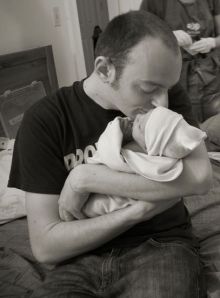
couple and baby

MMA Committees

Education Committee

provides continuing education for midwives as well as others with interest in the topic. The goal of the Education Committee is to keep members current in the health care field relating to midwifery.

Practice Committee

has the task of verifying all applications for MMA membership, distributing current practice guidelines to active members, processing any client complaints, and, in cooperation with the Education Committee, holding regular scheduled peer reviews.

Legislative Committee

is working to develop and implement legislation that would provide licensing for direct-entry midwives in Massachusetts.

Public Relations Committee

provides the MMA with exposure of midwifery to the consumer world as well as develop media to further consumer education.

Contact the Massachusetts Midwives Alliance at—

148 Raymond Street
Cambridge, MA  02140
339-203-1445

Tara Kenny, CPM, MMA Co-President; Tara@bostoncommunitymidwifery.com

Joyce Kimball, CPM, MMA Co-President; jekimball@bigplanet.com